
Winnipeg Hospital Discharge Care Planning Guide
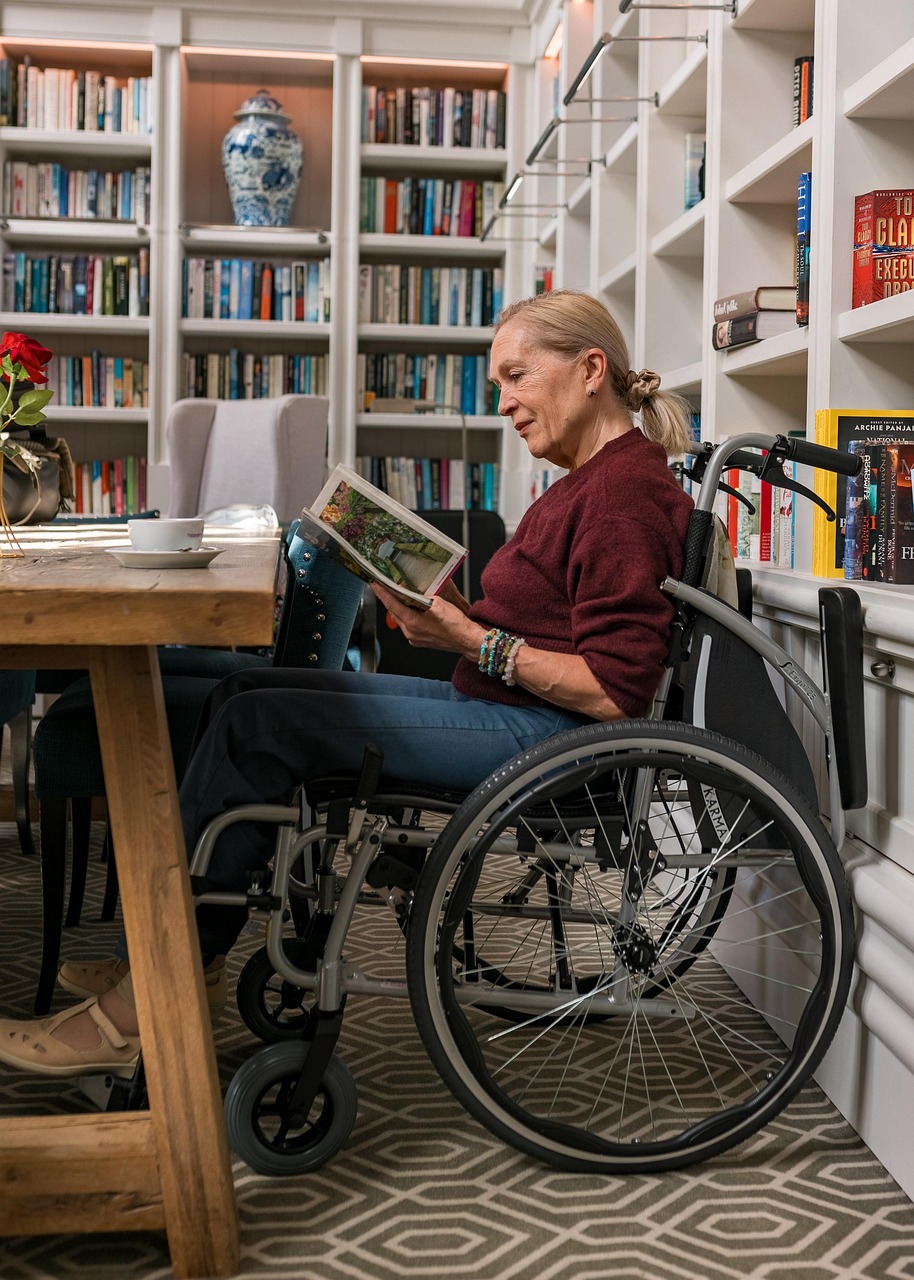
How Winnipeg Healthcare Providers Can Help Families Plan Care After Hospital Discharge
Winnipeg families are not expected to build a post-discharge care plan on their own. Under the Winnipeg Regional Health Authority, discharge planning begins almost as soon as a patient is admitted, and the hospital team is responsible for giving families a written discharge information sheet, explaining medications and follow-ups, and connecting them to community supports such as home care, primary care, therapy services and mental health services. The part families usually have to arrange themselves is speed and volume: the funded Home Care Program works on assessed need and a wait list, while home care services in Winnipeg from a private provider can start the week of discharge, fill the gaps in the funded hours, and cover the evenings, weekends and overnight shifts a recovery plan often needs. The workable answer for most families is both, planned together.
A hospital bed is the most expensive and least useful place to recover from surgery, a stroke or a serious infection. Everyone involved — the patient, the family and the health region — wants the same thing: a discharge that happens on time and sticks. What usually goes wrong is not the medical decision to send someone home. It is the gap between what the hospital team can arrange and what actually shows up at the front door in the first seventy-two hours.
This guide walks Winnipeg families through exactly who does what in a discharge, what the public system will and will not provide, where the wait times really sit, and how to assemble a care plan before the discharge date arrives rather than in the car on the way home.
Discharge Planning Starts on Day One, Not Discharge Day
The single most useful thing a Winnipeg family can understand is that planning to leave is treated as part of the admission itself. In the health region's own words, "your healthcare team begins preparing for this almost as soon as you are admitted, giving you the time to identify the supports you may need to continue your recovery" (WRHA — Hospital Stays and Discharge Planning).
As part of that process, the team is expected to provide two concrete things before you leave: a discharge information sheet containing follow-up details, prescriptions and recommended resources, and assistance connecting you with community supports such as home care, mental health services or public health programs. Families also have a formal role — the WRHA refers to family, friends and caregivers as Partners in Care, and the team is expected to communicate with them regularly, not just with the patient.
That means the family's job is to be present and specific. Ask what the discharge plan is on day two, not day ten. Ask who is coordinating it. Ask what the plan assumes about who will be home.
Who Is Actually on the Winnipeg Discharge Team
"The hospital" is not one decision-maker. Different people own different parts of the plan, and knowing which is which saves days of phone calls.
Attending physician or hospitalist
Makes the medical call that the patient is stable for discharge and writes the instructions the rest of the plan depends on.
Bedside nurses
The most reliable source of day-to-day detail: what the patient can actually do alone, what they still need help with, and how they slept.
Discharge planner or social worker
Coordinates the transition, arranges equipment and referrals, and is the person to press when the plan has a hole in it.
Occupational and physiotherapists
Assess mobility, transfers and home safety, and recommend grab bars, walkers or other equipment before the patient leaves.
WRHA Home Care case coordinator
Assesses eligibility and builds the funded care plan — how many hours, what type of service, and when service begins.
Pharmacist
Untangles medication changes, interactions and timing — often the biggest source of confusion in the first week home.
System Navigators
WRHA navigators guide patients and families through health and social service supports and resources when the route is unclear.
Family — the Partners in Care
The people who will actually be in the house at 7 a.m. and 11 p.m. Their availability shapes what plan is realistic.
What the WRHA Home Care Program Can Arrange
Manitoba's Home Care Program has existed since 1974 with an explicit mandate to help people live at home and avoid or delay a move into long-term care. In Winnipeg it is delivered by the Winnipeg Regional Health Authority and accessed through a single intake line: 204-788-8330, with information requests accepted by fax at 204-940-2227 (WRHA — Home Care). Anyone can call — the patient, a family member, a physician or the hospital itself.
To be eligible, a person must be a Manitoba resident registered with Manitoba Health, must require health services or help with activities of daily living, must need that service to remain safely at home, and must need more assistance than existing supports and community resources can provide. Service is then based on assessed need, not on what the family asks for. Care can be short term — under 60 days, which is exactly the window most recoveries fall into — or long term.
Depending on the assessment, services may include nursing care, personal care and hygiene, medication assistance, meal assistance, respite, personal laundry, household maintenance, health education and an adult day program. There are also specialty streams that matter after a hospital stay, including palliative care, priority home services, community intravenous therapy and the community stroke care service.
Apply early, and call yourself if you have to. A referral from inside the hospital is normal, but nothing prevents a family member from calling the intake line directly. Getting the file opened while the patient is still in hospital is what makes it possible for service to be in place on the day they come home.
The Wait Times Families Should Plan Around
Funding is not the constraint families feel most often — timing is. Data from the Winnipeg Regional Health Authority covering 2021 to 2025 shows the wait has not improved in five years (CBC News — Winnipeg home care assessment wait times).
The practical reading of those numbers is simple. Two to four weeks is a reasonable planning assumption between a referral and an in-person assessment, and service follows after that. Recovery, by contrast, is riskiest in days one to fourteen. That mismatch — not any failing on the part of the care coordinators, who are working a heavier and more complex caseload than the staffing numbers have grown to match — is the gap a private provider exists to close.
It is also why the Manitoba Association of Senior Communities points out that people who cannot be discharged from hospital because they need in-home supports are not a rare case, particularly for older adults who have no family in the same city. If your family is in that position, planning private support in parallel with the funded application is not a luxury. It is what gets the patient home on schedule.
Where the Public System Stops and Private Care Begins
Families often assume it is one or the other. In practice the two systems are complementary, and knowing which does what prevents both overpaying and under-planning.
| What you need | WRHA Home Care Program | Private care provider in Winnipeg |
|---|---|---|
| How you access it | Intake line 204-788-8330, then an in-person assessment | Direct call or email; assessment usually within days |
| Typical wait | 14–16 days median to assessment; service follows | Often the same week; short-notice and overnight requests accepted |
| What it covers | Assessed nursing, personal care, medication and meal assistance, respite, laundry, maintenance | Personal care, nursing, 24/7 and overnight care, dementia care, palliative, respite, companionship, homemaking, transport |
| Hours available | Allocated by assessed need, not by request | Built around the family's schedule, including awake overnight shifts |
| What it costs | Funded through Manitoba Health, subject to eligibility | Private hourly or daily rates paid by the family, insurance or a funding route |
| Best used for | Ongoing assessed need and professional services such as nursing and therapy | The first two weeks home, gaps in funded hours, nights, weekends and last-minute changes |
Eligibility for funded services is determined by a WRHA assessment. Private care does not replace that assessment — it runs alongside it.
The First 72 Hours Home — A Winnipeg Family Checklist
Most avoidable readmissions trace back to something small and boring: a medication taken at the wrong time, a rug that should have been moved, a person standing up too fast. The first three days are when those details are still controllable.
Is the discharge information sheet in one place? Follow-up appointments, prescriptions and restrictions should be readable by whoever is home, not buried in a bag.
Has the medication list been reconciled? Compare what was taken before the hospital against what was prescribed on discharge — new, stopped and changed.
Are the first 24 hours of medication physically sorted? A pill organizer filled once beats four people guessing.
Have loose rugs and cords been cleared from the walking route? The path from bed to bathroom is the highest-risk strip in the house.
Is there light where the walking happens at night? Hallway and bathroom lighting is cheap and prevents the most expensive falls.
Are recommended mobility aids actually in the house? A walker the therapist prescribed does nothing if it is still being arranged.
Does someone know the follow-up dates? Missed appointments are one of the easiest ways for recovery to slip.
Is there food that can be eaten without cooking? Appetite dips after illness, and standing at a stove is a fall risk.
Does the family know the red flags? Fever, breathing trouble, worsening pain or confusion mean a call, not a wait-and-see.
Is anyone actually sleeping? If one person is on night duty indefinitely, the plan has a built-in failure point.
A Week-by-Week Plan for the First Month
Recovery needs change as it progresses. A plan that is right in week one is usually too heavy in week four — which is a good reason to build in a review point rather than locking in one arrangement.
| Stage | What is happening | What support usually looks like |
|---|---|---|
| Before discharge | Assessment, equipment, referrals and the information sheet | Home care referral submitted; private hours provisionally booked; house prepared |
| Days 1–3 | Highest risk of falls, medication errors and confusion about instructions | Frequent visits or an overnight presence; medication set-up with a second pair of eyes |
| Days 4–14 | Peak readmission window; fatigue and reduced mobility persist | Daily personal care, meal preparation, mobility support, transport to follow-ups |
| Weeks 3–4 | Strength begins to return; home care assessment is often complete by now | Funded hours begin; private support reduced to nights, weekends or specific tasks |
| Beyond week 4 | New baseline becomes clear — full recovery, or a longer-term need | Review and rebuild the plan rather than defaulting to the week-one arrangement |
Our companion guide to a safe transition home after hospital discharge covers the practical detail of each of these stages, including home preparation, medication organization and nutrition.
Self and Family Managed Care — A Winnipeg Option Worth Knowing
There is a middle path between "the region provides the hours" and "the family pays privately," and not enough Winnipeg families hear about it. The WRHA's Self/Family Managed Care program lets a client or a family member take responsibility for directing their own non-professional home care services, receiving funding to either hire staff directly or engage an agency to deliver the assessed hours (WRHA — Self and Family Managed Care).
To apply, the person needs to already be a Home Care client eligible for attendant or homemaker services, or be assessed as eligible. The funding amount is set by a WRHA case coordinator's assessment, and it is reviewed regularly or whenever the level of need changes. Clients keep access to the program's professional services, such as nursing and community therapy. Two conditions deserve flagging up front: a separate bank account must be maintained for the funds, subject to audit, and hiring family members is not permitted except in unique circumstances approved by the Director of Home Care.
Families navigating this option for someone with a disability can get free help from the Independent Living Resource Centre, which offers consultations, training on staffing and budgeting, and a peer support network for Self and Family Managers — reachable at 204-947-0194.
Knowing When Recovery Is Going Sideways
One of the most useful things a healthcare provider does before discharge is tell a family what "not normal" looks like. After a hospital stay, the following warrant a call to a healthcare provider rather than a wait-and-see approach.
Fever
Especially with a recent surgical site, a line or a catheter, fever is the classic early infection signal.
Difficulty breathing
Shortness of breath, new coughing or a change in oxygen needs is never something to sleep on.
Severe or worsening pain
Pain that is escalating rather than easing, or that is not touched by the prescribed plan.
Worsening swelling
Particularly in one leg or around a wound, which can point to a clot or a collection that needs review.
Changes in cognition
New confusion, drowsiness or a reduced level of consciousness — often the first sign of something systemic.
Unusual bleeding
Bleeding that was not expected, or that restarts after it had settled.
Signs of wound infection
Increasing redness, warmth, discharge or a wound that is opening rather than closing.
A fall or near-fall
Even without injury, a fall at home after discharge is a signal that the current plan is not sufficient.
Falls deserve particular weight in this period, because the body's usual safeguards are weakest right after a hospital stay. Frailty, poor balance, new medications and dizziness on standing all overlap in the first weeks home, which is why fall prevention is one of the most productive things a family can spend attention on — our guide to fall prevention tips for seniors aging at home works through the room-by-room changes that matter most, and night-time risk is covered in detail in our guide to deciding on overnight senior care in Winnipeg.
Questions Worth Asking Before the Discharge Date
Families who leave the hospital with clear answers to these tend to have calmer first weeks than those who reconstruct the plan afterwards.
- What exactly can my family member do alone today, and what should they not attempt?
- Which medications changed, which stopped, and which are new — and why?
- What are the follow-up appointments, and how will we get to them?
- What equipment is being recommended, and who arranges it?
- Has a home care referral been submitted, and what happens next?
- What are the warning signs that mean we should call rather than wait?
- Who do we call at the hospital if something goes wrong in the first week?
Costs, Funding and Paperwork
Discharge is usually the moment families first have to think about what care costs, and the number depends far more on the arrangement than on the illness. Three shapes dominate.
For current figures and how hours are typically packaged, see our full breakdown of private home care costs in Winnipeg. On the funding side — insurance, veterans' benefits, the Manitoba Primary Caregiver Tax Credit and other routes — our guide to how to pay for home care in Winnipeg sets out how the sources can be combined. Free provincial navigation is also available through 211 Manitoba, which connects families to health and social services across the province.
Dividing the Work So One Person Is Not Carrying It
Discharge planning is usually described in terms of the patient. In practice it is a live test of the family's capacity. A daughter doing medication runs before work, a spouse handling nights, a sibling in another city handling phone calls — this is a normal shape, and it is also a fragile one, because it depends entirely on nobody getting sick or exhausted.
The warning signs of a caregiver reaching their limit appear early and are easy to dismiss: broken sleep, short temper, dropping their own appointments, feeling resentful and then guilty about it. Our guide to 12 signs of family caregiver burnout lists them in full. Respite is not an indulgence in this period — it is the mechanism that keeps the rest of the plan standing, and it is available both through the funded program and privately.
Where a Private Winnipeg Provider Fits In
The honest summary is that Winnipeg's public discharge planning is good at what it is designed to do: assess need, coordinate the transition, arrange professional services and connect families to supports. It is not designed to guarantee a caregiver in the house on the evening of discharge, and the assessment wait times published by the region make that clear.
What a private provider adds is availability and specificity — care that starts when the patient walks in the door, hours shaped around what the family can realistically cover, and coverage at the times that are hardest to staff: evenings, nights and weekends. For a family in Winnipeg, that usually looks like home care services in Winnipeg running alongside a funded application, reduced as the funded hours come online, and kept in place for the overnight or weekend gaps that remain.
If the need turns out to be longer term rather than a recovery window, the same conversation shifts to ongoing support — our overview of elder and senior home care covers what sustained care at home looks like, and our broader check of 15 signs your loved one needs home care is a useful second opinion when the family is divided on whether it is time.
The one-line takeaway: Winnipeg's healthcare providers will plan the medical side of a discharge and connect your family to funded supports, but they cannot promise a caregiver on the day, at the hour, or through the night — so the safest plan is the funded application started early and private care in place for the gap, decided before the discharge date rather than after it.
Planning Care After Discharge — Common Questions
Related Guides for Winnipeg Families
Coming Home Soon? Build the Plan Before Discharge Day.
Tell us the discharge date and what the hospital team has arranged so far. We will tell you what the funded program is likely to cover, where the gap will be, and what support would make the first two weeks home safe.
Explore Winnipeg Home Care Email Us