
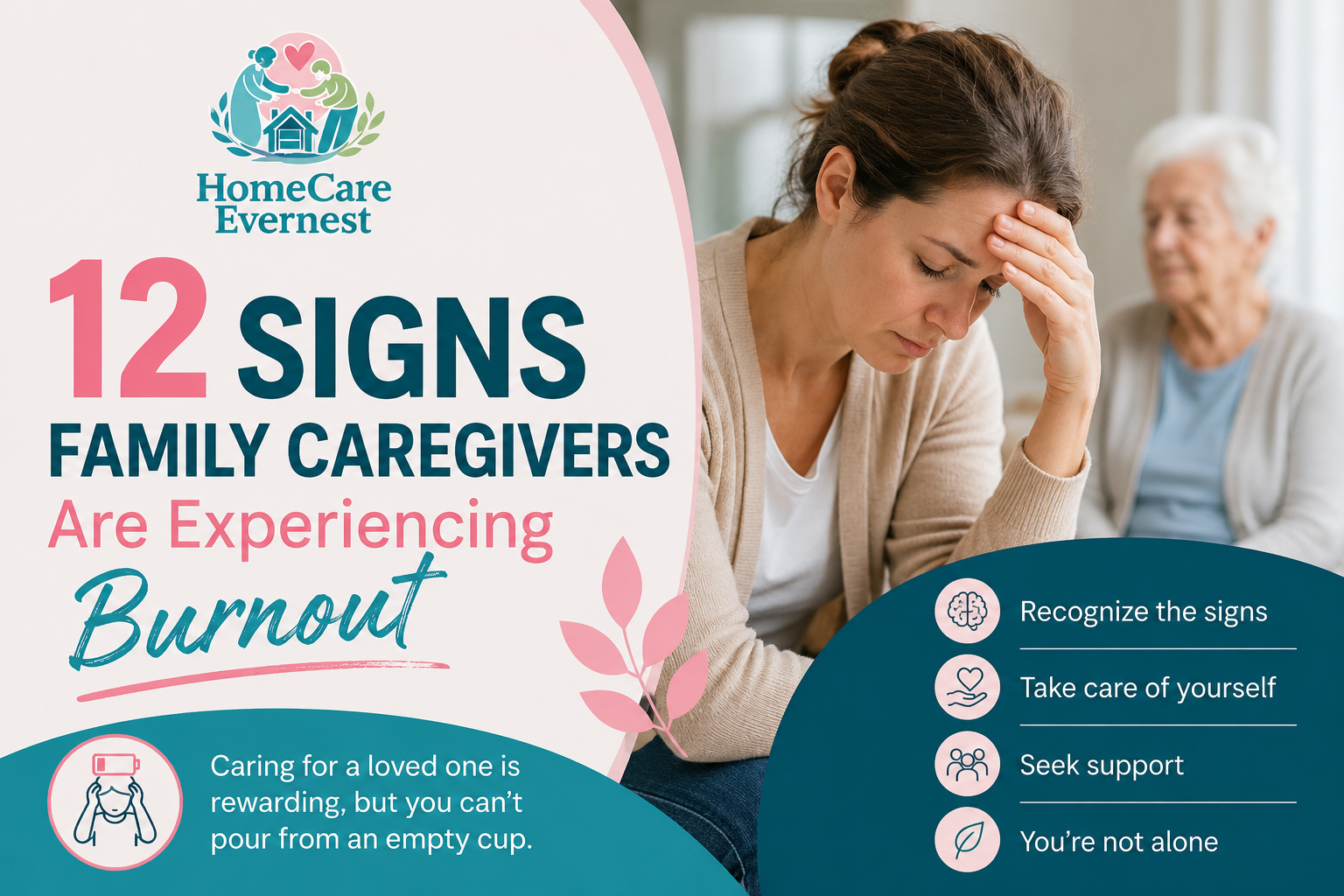
Family caregivers do a huge amount of invisible work. They help with meals, medications, appointments, bathing, mobility, laundry, emotional support, and so much more. Most do it out of love. But even when care is given with the best intentions, the daily pressure can slowly build until it becomes too much. That is when burnout begins to show up.
Many people miss the early warning signs because they assume feeling tired, stressed, or overwhelmed is simply “part of the job.” The truth is that long-term caregiving without enough support can affect sleep, mood, memory, health, relationships, and even personal safety. Recognising caregiver burnout signs early can help families take action before the situation becomes more serious.
If some of these signs sound familiar, you are not failing. You are human. And you may need more support than you have right now. In many cases, a mix of respite care, companion care, or more structured senior home care can make a very real difference for both the caregiver and the person receiving care.
Important reminder: caregiver burnout signs do not always appear all at once. They often build slowly through exhaustion, worry, guilt, and lack of rest. The sooner families notice the pattern, the easier it is to make healthy changes.
What this article covers
12 caregiver burnout signs families should not ignore
Constant exhaustion
One of the clearest caregiver burnout signs is feeling tired all the time, even after sleeping or taking a short break. This is more than an ordinary busy week. It can feel like your body never fully recovers. You wake up tired, move through the day tired, and go to bed already dreading tomorrow.
When caregiving becomes nonstop, physical fatigue turns into emotional fatigue too. Even small tasks start to feel heavy. If this is happening, regular help through respite care can give you protected time to rest instead of always staying “on.”
Irritability and a shorter temper
If you find yourself becoming frustrated more quickly than usual, burnout may be part of the reason. You may snap over small things, feel impatient during repeated questions, or become upset by tasks that never used to bother you.
This does not mean you do not love your family member. It usually means your stress level is too high and your emotional reserves are too low. For families caring for someone with memory loss, this pressure can increase even more, which is why support from specialised dementia care can be so helpful.
Trouble sleeping, even when you get the chance
Some caregivers are up during the night because their loved one needs help. Others finally get into bed but cannot switch off mentally. They replay the day, worry about falls, medications, appointments, or what might happen tomorrow.
Poor sleep makes every other caregiver burnout sign worse. It affects patience, memory, mood, and the immune system. If overnight worry has become a constant issue, families sometimes benefit from 24/7 home care support or scheduled overnight assistance.
Feeling guilty no matter what you do
Guilt is very common in family caregiving. You may feel guilty when you are tired, guilty when you want a break, and guilty when you think about bringing in outside help. Some caregivers even feel guilty for being irritated, even though they are operating under extreme stress.
The truth is that support is not the opposite of love. In many cases, it is what makes long-term caregiving possible. If this is something your family is struggling with, our article on respite care support for families may help you see outside care in a healthier way.
Your own health is getting worse
Burnout does not stay in the mind. It often shows up in the body. Headaches, back pain, high stress, low appetite, stress eating, blood pressure changes, and frequent illness can all become more common when a caregiver has been under strain for too long.
Many caregivers delay their own medical appointments because they feel there is no time. That is a serious warning sign. If your loved one has more complex health needs, sharing responsibilities with a professional nursing care team can reduce the pressure on you while improving consistency of care.
Pulling away from friends and family
Another one of the more common caregiver burnout signs is social withdrawal. At first, you may cancel outings because you are busy. Over time, you may stop returning messages, stop making plans, or feel like nobody understands what your life looks like anymore.
Isolation increases emotional strain. It can also make caregivers feel lonely, invisible, and unsupported. Sometimes the person receiving care is feeling isolated too. In these situations, companion home care services can support meaningful social interaction for seniors while easing pressure on the family caregiver.
Trouble focusing or remembering things
Burnout often affects concentration. You may forget appointments, misplace paperwork, lose track of medication times, or walk into a room and forget what you were doing. This can be frightening, especially when caregiving requires careful attention every day.
When mental overload builds up, mistakes become more likely. That does not mean you are careless. It means your brain is overloaded. If routines have become hard to manage, additional structured help through homemaking support or nursing care can lighten the load.
Feeling trapped, stuck, or resentful
This is one of the caregiver burnout signs people are often afraid to admit. You may love your parent, spouse, or relative deeply and still feel trapped by the demands of caregiving. You may miss your old routine, your freedom, or the ability to make simple plans without worry.
Resentment usually grows when someone has been carrying too much, for too long, with too little support. It is a signal that the care arrangement needs to change. It does not mean you are a bad caregiver. It means you need room to breathe.
Extreme anxiety when leaving your loved one alone
Some worry is natural. But if you cannot leave the house without panic, or if every short outing feels unsafe, burnout may be mixed with caregiving overload. This is especially common when a loved one is at risk of wandering, falling, forgetting medications, or becoming confused at home.
In these cases, more consistent support may be needed. Depending on the situation, that could include 24/7 home care, memory care support, or help after a medical event through post-operative home care.
No time for work, home responsibilities, or yourself
When caregiving starts to take over everything, life becomes unbalanced very quickly. Meals get skipped. Bills get delayed. Work becomes harder to manage. Your own children or partner may begin to feel the strain too. Many caregivers stop exercising, stop attending appointments, and stop doing the things that normally help them stay well.
If this sounds familiar, it may be time to share the day-to-day load. Bringing in help for personal care, meals, mobility, housekeeping, or companionship can give a family more stability without taking away the senior’s independence. Our guide on early signs your aging parent needs home care support may also help you decide when that step makes sense.
Feeling hopeless, low, or emotionally numb
Not all burnout looks dramatic. Sometimes it looks flat. You may feel detached, sad, discouraged, or unable to enjoy anything. Some caregivers cry often. Others stop feeling much of anything at all. Both can be signs that the emotional weight has gone too far.
Caregiving can be meaningful, but it should not consume your identity or drain you to the point where daily life feels joyless. If your loved one is living with serious illness, added support from palliative home care can also help families carry the emotional and practical load in a gentler way.
Care no longer feels safe or sustainable
This is the sign families should take most seriously. Maybe transfers are becoming too difficult. Maybe medication management is getting complicated. Maybe the person receiving care now needs more supervision than one exhausted family member can safely provide. When care no longer feels manageable, the answer is not to “try harder.” The answer is to change the support plan.
One of the healthiest decisions a family can make is to ask for help before a crisis happens. Whether that means occasional relief, daily support, or a more complete care plan, outside care can protect both the senior and the caregiver. If your family is trying to make that decision, our article on the future of aging in place in Manitoba offers useful perspective on why supported care at home matters so much.
What to do if these caregiver burnout signs sound familiar
If you recognised yourself in several of the signs above, the next step is not to judge yourself. It is to make a realistic plan. Caregiving works best when it is shared. Even a few hours of weekly help can reduce pressure, improve patience, and make home life feel more stable again.
Start with honesty
Say clearly what is becoming hard. Families often delay support because nobody wants to admit the current plan is no longer working.
Choose one area to lighten
That might be bathing help, meal support, companionship, overnight care, or a regular weekly break.
Bring in the right kind of help
Different situations need different support. Respite, dementia care, nursing care, or companion care can each solve different problems.
Act before burnout becomes crisis
The best time to add help is before exhaustion leads to illness, injury, conflict, or unsafe care at home.
Caring for someone you love should not mean losing your own health, sleep, and peace of mind. Recognising caregiver burnout signs early is one of the most caring things you can do for your entire family. Support does not replace family love. It protects it.
If your family needs a break, more structure, or a more sustainable care routine, Homecare Evernest can help you explore options that fit your real situation. Sometimes the right support begins with one conversation.
Need support before caregiver burnout gets worse?
We help Manitoba families create safer, calmer, more sustainable care routines through respite care, senior home care, companion support, dementia care, and more.
You can also explore more support options on our services page or read more helpful family resources on our blog.