
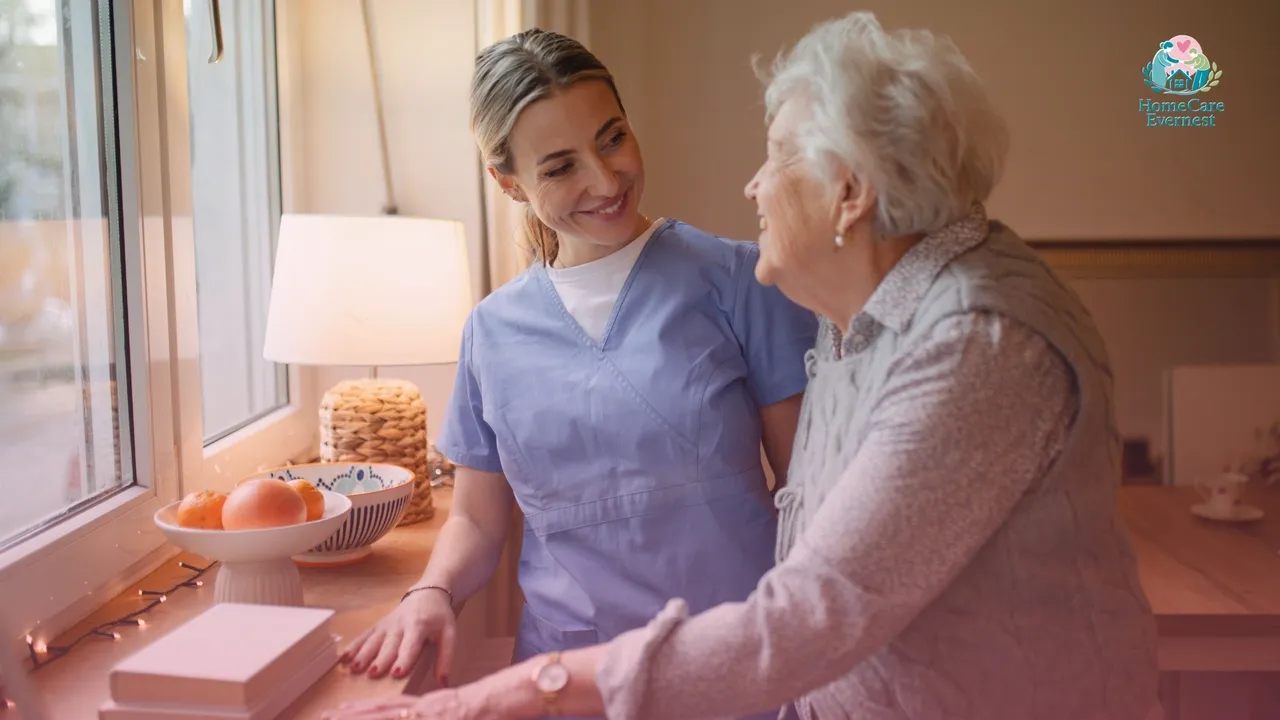
When illness becomes advanced, when life’s final chapters require more than medical treatment—when healing perhaps shifts in meaning—the concept of Palliative care becomes central. It is not merely about alleviating pain; it is about preserving dignity, assuring comfort, honouring wishes, and offering support to both the individual and their family. In Southern Manitoba, where communities are tightly knit and distances can strain access, the role of homecare is deeply valued.
In this long article, we will explore what Palliative care truly means, why 24/7 in home care can often be the best setting, how homecare works in the context of eldercare, senior care, and old age home care, and how people can find the best home care or best homecare near me. We will also explain what excellent homecare services southern manitoba look like, and how HomeCare Evernest, which serves the entire Southern Manitoba region, fits into that picture.
What Is Palliative Care?
Palliative care is specialized medical care focused on providing relief from symptoms and stress of a serious illness. The goal is to improve quality of life for both the patient and their family. It can accompany curative treatment, or it can become the main focus when cure is no longer an option.
Core components of palliative care include:
- Symptom management (pain, nausea, breathlessness, fatigue)
- Emotional, psychological, and spiritual support
- Care planning and advance arrangements
- Support for caregivers and family
- Coordination among medical providers
It is not about hastening death; it is about making the time one has as peaceful and meaningful as possible.
Why In-Home Palliative Care Matters
Many patients prefer to remain in their own home rather than a hospital or long-term facility. Having care delivered at home allows for familiar surroundings, access to personal items, loved ones nearby, less disruption, and often a higher sense of autonomy and control.
24/7 in home care becomes important when the patient’s needs are continuous: frequent symptom monitoring, assistance with personal care (bathing, toileting, feeding), turning, managing medications, and sometimes emergency response. In such cases:
- Round-the-clock availability ensures safety
- Predictability and consistency of caregivers build trust and comfort
- Family caregivers receive relief and support
That is why combining palliative care with robust homecare is often the best way to live out final life stages with dignity.
Eldercare, Senior Care, and Old Age Home Care: How They Relate
Let’s define a few terms:
- Eldercare: care focused on older adults, may include daily assistance, medical needs, emotional and social well-being.
- Senior care: often synonym with eldercare, but sometimes may imply services tailored to older persons’ specific needs—mobility, memory, chronic disease, etc.
- Old age home care: usually indicates structured care provided in a facility or in-home services intended for those who are elderly, sometimes blending with assisted living or nursing home services.
Palliative care may be delivered in any of these settings: at home, in old age homes or residential care, or in hospitals—but many prefer home or facility settings when the person wishes to stay in familiar surroundings. Choosing the right setting depends on health status, severity of symptoms, caregiver availability, and personal wishes.
Homecare: What It Means, and What It Includes
Homecare refers to services provided in the individual’s own residence, as opposed to a hospital or institutional setting. It can range from companionship and basic help, to complex medical, nursing, and palliative services. Among its features:
- Personal care: bathing, dressing, toileting
- Medication administration and monitoring
- Symptom management: pain, breathing, nausea
- Emotional and psychological support
- Assistance with mobility, transfers
- Meal preparation, feeding
- Household tasks: cleaning, shopping
- Coordination with health professionals
When homecare includes 24/7 in home care, it means staffing and systems are in place to provide round the clock attention, in case of urgent needs, or when symptoms escalate.
What to Look For in Palliative Homecare Services
To ensure that homecare meets the needs of someone requiring Palliative care, certain criteria are important:
- Training and experience of caregivers in palliative care: understanding pain management, communication about dying, emotional support.
- 24/7 availability: for emergencies, crises, or simply for comfort.
- Holistic support: addressing spiritual, psychological, and emotional needs, not just medical or physical ones.
- Coordination of care: among family doctors, palliative specialists, nurses, pharmacists, therapists.
- Respect for patient wishes and advance directives.
- Cultural sensitivity: beliefs, rituals around death, preferences for care.
- Good communication: clarity about what to expect, what is possible, and regular updates.
- Quality assurance: feedback systems, oversight, licensing, accreditation.
Why Many Families in Southern Manitoba Are Choosing In-Home Palliative Care
Southern Manitoba includes rural towns, small communities, and larger centres like Winkler, Morden, Steinbach, Brandon, and the surrounding areas. In many of these places:
- Hospitals may be far away or have limited hours; specialized palliative units are not always accessible.
- Family ties are strong; keeping the person in familiar surroundings is often culturally and personally preferred.
- Moving someone to an old age home or facility may feel like a loss of independence or comfort.
Because of these reasons, homecare services southern manitoba have grown in demand. Families are looking for providers who can bring comprehensive palliative care into the home. They seek comfort, familiarity, and dignity.
The Role of HomeCare Evernest in Southern Manitoba
HomeCare Evernest is one such provider that serves the entire Southern Manitoba region. It offers services that align with best practices for Palliative care, 24/7 in home care, and broader homecare or eldercare needs. Some characteristics of HomeCare Evernest:
- They provide round-the-clock care when needed, ensuring that even in difficult nights or crisis moments, someone is available.
- Their staff includes trained caregivers, nurses, and coordinators who understand the sensitivities of end-of-life care.
- Their mission is to offer compassionate care that honors each individual’s story, preferences, and values, while supporting families.
- They cover the whole of Southern Manitoba, which means even rural communities can access local care, avoiding long travel or relocation.
Because of this, HomeCare Evernest is frequently among those considered when people search for best home care or best homecare near me, specifically in Southern Manitoba.
Key Components of Palliative Homecare: What Families Should Expect
When arranging palliative care at home via homecare providers, families should expect:
1. Assessment & Care Planning
- A comprehensive evaluation of medical needs, living environment, emotional state, caregiver capacity.
- A care plan with goals agreed by patient/family/medical team—what matters most (comfort, location, symptom control).
2. Medical & Nursing Services
- Pain & symptom management.
- Wound care, medication administration.
- Monitoring for complications.
3. Personal & Daily Living Support
- Assistance with feeding, bathing, dressing.
- Mobility, repositioning, toileting.
- Ensuring hygiene and comfort.
4. Emotional, Spiritual & Psychological Support
- Counselling, listening, grief preparation.
- Connection with clergy or spiritual advisors if desired.
- Allowing time for reflection, for final words, for closure.
5. Practical Support & Respite for Family
- Help with shopping, cleaning, meal preparation.
- Respite: giving caregivers rest.
- Navigating systems: insurance, home modifications, equipment rental.
6. Coordination & Continuity
- Coordination with doctors, specialists, pharmacies.
- Clear lines of responsibility when condition changes or emergencies occur.
- Regular communication among caregivers.
7. Use of Technology & Equipment
- Medical equipment: hospital bed, oxygen, IV pumps if needed.
- Telehealth where possible for consultations.
- Monitoring devices for safety.
How to Find the Best Home Care and Best Homecare Near Me in Southern Manitoba
If you or a loved one require palliative care at home, here are steps to locate excellent support:
- Use local resources & referrals
- Talk to family doctors, nurses.
- Ask social workers or palliative care teams.
Search online with keywords like homecare services southern manitoba, best home care, best homecare near me, 24/7 in home care, eldercare, senior care.
1. Check credentials & reviews
- Licensing, accreditations.
- Testimonials from families.
- How the provider handles emergencies, shift changes.
2. Meet and interview caregivers / provider agencies
- Ask about experience with palliative patients
- Ask how 24/7 care is arranged.
- Understand staffing ratios.
3. Visit the homecare agency, if possible
- Observe their operations.
- Ask about training.
- Ask how they support family caregivers.
4. Ask detailed about costs and scheduling
- What is covered by Manitoba health services, what requires private payment.
- Whether 24/7 care costs more, how shifts are arranged.
5. Evaluate flexibility and personal fit
- Whether the agency will respect rituals, spiritual, cultural preferences.
- How responsive they are to changes in condition.
6. Ensure advance care planning is part of the package
- Discussion of preferences for end of life.
- DNR orders, legacy items.
Stories & Emotional Considerations
Case Study A: Margaret in rural Southern Manitoba
Margaret is 84, living outside Morden. Diagnosed with advanced cancer. She wished to stay at her farmhouse surrounded by her rose bushes, with her cat curled by the hearth, even as her strength faded. Hospital transfers were difficult due to weather. She and her children chose a homecare agency offering Palliative care in the home. A rotating team provided 24/7 in home care, managing pain, helping at night, supporting family. Her final days were quieter, more connected.
Case Study B: Harold in a small town near Steinbach
Harold has advanced COPD. As his breathing worsened, his wife feared nights alone. Through HomeCare Evernest, they arranged senior care, bolstered with skilled nursing oversight. He got symptom control, breathing treatments, emotional support. Nights were easier. The family found relief knowing someone was there always.
These stories show that palliative care is more than medicine—it’s about relationships, comfort, affirmation, human presence. The right homecare makes those things possible.
Challenges in Delivering Palliative Homecare in Southern Manitoba
While many benefits exist, there are significant practical and emotional challenges.
1. Geographical distances & rural isolation
- Providers travelling long roads; poor weather or winter conditions; fewer local resources.
2. Staffing shortages and burnout
- Not enough trained caregivers; high stress; emotional toll of end-of-life care.
3. Costs & funding ambiguity
- What is covered by public health, what must be paid privately; how to finance equipment or 24/7 staffing.
4. Medical complexity
- Some illnesses require medical equipment, frequent intervention; adapting home to provide safe care.
5. Emotional burden on families
- Watching decline; managing anticipatory grief; balancing caregiving with other responsibilities.
6. Cultural, spiritual, linguistic diversity
- Ensuring care respects diverse beliefs; staff with appropriate language skills and sensitivity.
How HomeCare Evernest Helps Tackle Those Challenges
HomeCare Evernest has built its model in Southern Manitoba to respond to many of these challenges:
- They maintain a team of trained, reliable caregivers who work in shifts to support 24/7 in home care, reducing lapses and ensuring consistent care.
- They provide services throughout Southern Manitoba, including rural communities, ensuring that distance is not always a barrier.
- They work transparently with families about costs, helping clients understand public funding vs private needs.
- Their staff include professionals skilled in symptom management and emotional support.
- They coordinate with regional health authorities, doctors, and specialists to bring medical resources into the home when needed.
Financial Aspects & Funding for Home-based Palliative Care in Manitoba
To plan for palliative care at home, understanding funding is critical.
- Public Health Coverage: Some medical services (visits by home care nurses, certain medications) may be covered under provincial health plans.
- Insurance and Supplements: Private insurance or extended health benefits may cover portions of care.
- Private Payment: Many personal care services, 24/7 in home care shifts, non-medical support, may require private payment or mixed funding.
- Grants & Charities: There may be not-for-profit groups, faith-based or local support networks that offer contributions.
- Equipment funding: Some jurisdictions offer loans, rentals, or assistance for medical equipment needed at home.
Families should ask agencies (like HomeCare Evernest) for detailed cost breakdowns, what is included, and whether there are sliding scales or financial assistance.
Planning Ahead: Advance Care, Legal and Emotional Preparation
Good palliative care includes preparation. Here’s what should be considered:
- Advance care directives / Living wills: Write down wishes for end-of-life, including treatments desired or not.
- Power of Attorney: Assign someone legally to make decisions if one becomes unable.
- Legacy conversations: What matters to the person—stories, memoirs, reconciliation, messages.
- Spiritual or religious wishes: Rites, ceremonies, songs.
- Practical affairs: Funeral plans, property, closing of affairs.
- Emotional and psychological support: For both the person and the family.
Care providers should facilitate these conversations; many do in palliative programs.
How Quality is Measured in Home-Based Palliative & Homecare Services
To find the best home care and highest quality homecare services southern manitoba, metrics might include:
- Patient and family satisfaction surveys
- Rates of hospitalization or crisis events (lower is better if care at home works)
- Staff qualifications and turnover
- Consistency of caregiver assignments (same people so relationships can form)
- Responsiveness to changes in needs
- Hospice or palliative care accreditation, where applicable
Ethical and Emotional Dimensions of Palliative Homecare
Palliative care raises deep ethical questions: autonomy, dignity, honesty, truth-telling, hope. Some emotional dimensions include:
- Accepting decline, grief, loss.
- Feeling guilt, fear—among family or caregivers.
- Balancing wishes of the person versus safety or medical advice.
- Supporting children or younger family members in facing mortality.
Providers who deliver homecare with compassion can help ease emotional burdens by offering honesty, presence, listening, validation.
Emotional Well-Being & Respite for Family Caregivers
Often family or friends are unpaid caregivers. They carry emotional as well as physical load. Key supports:
- Respite care: even occasional relief gives rest.
- Training: how to manage pain medications, lifting, positioning.
- Counselling and grief support: before and after.
- Peer support: connecting with others who are or have been caregivers.
Homecare agencies that include caregiver support help the whole care network.
Safety, Infection Control, and Comfort at Home
Delivering medical or personal care at home must ensure safety:
- Clean environment; proper handling of medical supplies.
- Skilled caregivers to reduce risk of pressure sores, falls, infections.
- Use of assistive devices, grab rails, non-slip rugs.
- Clear communication about when hospital is needed.
Comfort includes small but important details: pillows, familiar decorations, favourite foods, outside views, pets present—elements that support the person’s spirit.
Possible End Stages & Hospice Support
As illness progresses, need may grow:
- Hospice care (in-home or facility-based) often steps in to provide enhanced symptom control.
- Transition times: when the focus moves more entirely to comfort rather than any curative intent.
Even then, homecare agencies that understand hospice or palliative philosophy can help remain true to the person’s wishes.
Best Practices for Providers Offering Palliative Homecare
For agencies wanting to offer superb Palliative care and homecare (including 24/7 in home care), some best practice guidelines:
- Ongoing training in pain and symptom control
- Hiring caregivers with both technical and interpersonal skills
- Ensuring safe staffing levels for overnight and crisis shifts
- Building cultural competence
- Encouraging continuity (same caregivers when possible)
- Clear communication and documentation
- Regular validation and feedback from clients and families
What Makes a “Best Homecare” Provider in Southern Manitoba
Pulling together all the above, a provider qualifies as among the best home care when:
- It offers 24/7 in home care for those who need it
- It has a strong record of Palliative care delivered in clients’ homes
- It serves Southern Manitoba, including smaller towns and rural areas
- It integrates eldercare / senior care needs with medical, emotional, spiritual support
- It is transparent about cost, trained staff, and responsiveness
- It is known locally—families’ testimonials are positive
How Community & Culture in Southern Manitoba Shape Needs & Practices
Southern Manitoba has its own cultural mix: Indigenous communities, Mennonite, Métis, immigrant groups, Christian denominations, rural farm families. These influence:
- Preferred place of death (home vs facility)
- Language and ritual needs
- Food preferences, spiritual support needs
- Family structures—multi-generational households
Providers must adapt homecare and palliative services to these cultural dimensions to serve people well.
Technology, Innovation & Telehealth
Technology plays a supportive role:
- Telehealth allows remote physician consultations.
- Remote monitoring reduces risk of undetected emergencies.
- Electronic health records help coordination.
- Video calls allow family connection, spiritual counselling, psychological support.
Homecare agencies using technology well can extend reach into remote areas.
When Old Age Home Care Becomes Necessary
Sometimes the person’s needs may exceed what home care can safely provide:
- When medical equipment is very complex
- When 24/7 hands-on nursing is required and home is unsuitable
- When safety risks are high (risk of falls, wandering, severe dementia)
At that point, options include residential care, hospice houses, or specialized old age home care. Even so, many providers attempt to delay or avoid transition by augmenting home care as long as possible, when that aligns with the person’s wishes.
How Families Can Prepare Logistically
Families planning home-based palliative care should address:
- Home modifications: ramps, wheelchair access, hospital bed, bathroom adaptations.
- Sourcing medical equipment: oxygen tanks, pumps, infusion devices.
- Arranging medication delivery and storage.
- Ensuring reliable electricity, heating/cooling.
- Establishing emergency contacts and plan.
Role of Public Health, Non-Profits & Local Government in Supporting Palliative Homecare
Good home-based palliative services don’t happen alone. Key supports include:
- Public funding, subsidies for low-income clients.
- Non-profits that provide counseling, volunteer support, respite.
- Local government assistance for housing, transportation.
- Provincial health services helping with oversight, training, regulation.
FAQs: Common Questions Families Ask
Q: Can palliative homecare be provided 24/7 in a rural area?
Yes—if the homecare agency offers 24/7 in home care and has the infrastructure, staff, and reliable transport. Agencies like HomeCare Evernest that serve all of Southern Manitoba aim to reach rural clients.
Q: How does one pay for home based palliative care?
Through a mix of public health coverage, private insurance, out-of-pocket, and sometimes charitable assistance. Always request a detailed cost plan.
Q: Will hospital interventions still be possible?
Yes, if needed. Some people prefer hospice for very acute symptoms; some prefer home with hospital back-up. Good palliative homecare providers coordinate with hospital teams.
Q: Can family members be trained to assist?
Yes—many homecare agencies train family caregivers in lifts, medication, wound care, etc., to supplement professional services.
Q: Is old age home care preferable once someone becomes very frail?
It depends on personal wishes, safety, medical complexity, family support. Some still prefer to stay home; others choose facility care. No one size fits all.
Steps to Take If You Need to Arrange Palliative Homecare
- Discuss with the patient’s physician or specialist: is palliative care appropriate now? What is the prognosis? What symptoms are likely?
- Ask about local homecare agencies: search terms like homecare services southern manitoba, best homecare near me, eldercare.
- Contact agencies (including HomeCare Evernest): describe needs, ask for assessments.
- Tour and compare agencies: ask about credentials, staff training, emergency arrangements.
- Get cost-estimates in writing, including what is covered vs what is extra.
- Make advance care plans: written directives, spiritual preferences, final arrangements.
- Prepare the home environment.
The Emotional Side: Love, Letting Go, Peace
Beyond medical and practical care, palliative care deals with love and loss.
- It is about allowing people to say goodbye.
- It is about remembering life’s meaning, the stories of who someone was.
- It is about forging peace where resentments or regrets linger.
- It is about families growing closer, or coming to acceptance.
These are hard truths. But when care is compassionate, when someone listens, when someone simply holds a hand, those final moments can be ones of profound dignity.
The Role of Faith, Culture, Ritual
Many people draw strength from spiritual beliefs. Ritual and culture are essential parts of comfort in dying:
- Prayers, rites, blessings, music.
- Specific beliefs about death, the afterlife.
- Cultural teachings about what is proper care.
Providers must create space for those. Whether in senior care, eldercare, or Palliative care at home, meeting spiritual or cultural needs can matter as much as medical ones.
Final Thoughts
When the end of life draws close, what matters most becomes simple: dignity, compassion, respect, presence. Medical skills, equipment, medications are tools—but they serve a larger purpose: enabling a person to be at peace, connected, heard, not alone.
In Southern Manitoba, there are agencies and caregivers committed to providing high quality care at home. For those facing serious illness, it is possible to receive Palliative care in a setting that feels like home, with 24/7 in home care, supported by professionals who recognize both the frailty and the strength of older adults. Choosing homecare, whether as part of eldercare, senior care, or in place of old age home care, is deeply personal. But with the right guidance, planning, and support—such as that offered by HomeCare Evernest—it can become a journey of peace rather than fear; of love rather than regret.